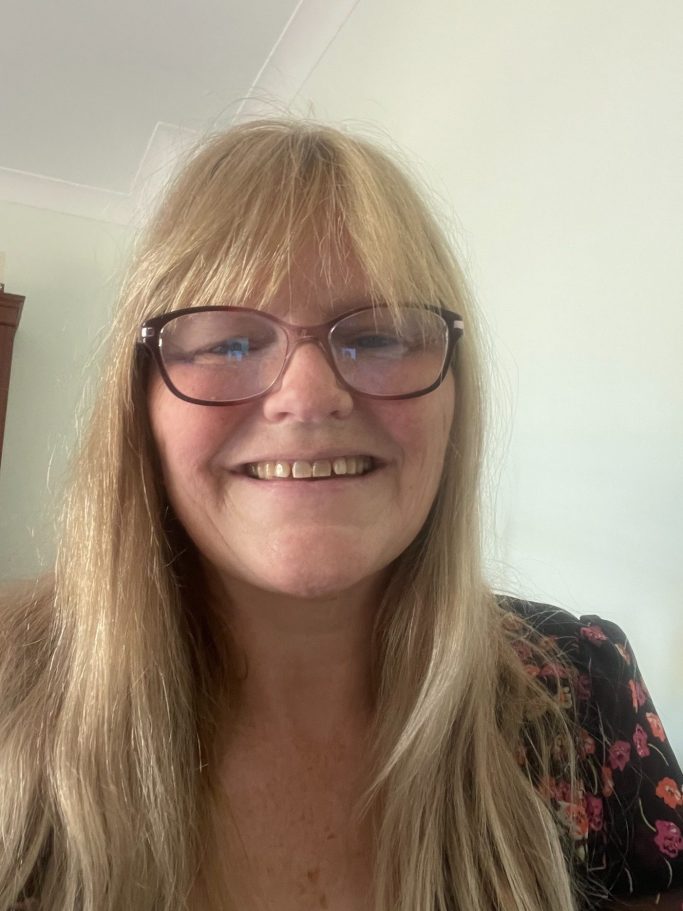
Domestic and Narcissistic Abuse Recovery
Compassionate, confidential help to begin healing
Still feeling it? You're not imagining it. Support for people living with the effects of domestic and narcissistic abuse. Abuse lives in the body, not the head. That's why it doesn't just go away.
Spotting controlling or abusive behaviour and taking a first safe step
Does this feel familiar? - Swept off your feet at the start, then the warmth disappeared - Walking on eggshells, changing what you say to avoid a reaction - Being told it never happened, or that you're overreacting - Pulled back in with promises and charm every time you tried to leave - Money controlled, or everything in their name - Your phone, messages or location checked "to keep you safe" - Friends and family slowly pushed away - Pressure, guilt or force around sex - Pushing, grabbing, threats It's like a dripping tap. It's been going on so long you stop noticing it. Often friends, family or colleagues see the change in you first. None of this is normal. And it isn't your fault.
Controlling patterns to watch for
Swept off your feet, then the warmth disappeared - Walking on eggshells
- Told it never happened, or you're overreacting
- Pulled back in every time you try to leave
- Money controlled, everything in their name
- Phone, messages or location checked
- Friends and family pushed away
- Pressure, guilt or force around sex
- Pushing, grabbing, threats
None of this is normal. And it isn't your fault.
Changes others might notice
Changes others might notice It's like a dripping tap. It's been going so long you stop noticing it. Others often notice first.
- Late or tired at work
- Hard to see you on your own
- Plans cancelled again
- Someone else always speaks for you
- Bruises explained away
If someone says they're worried, try to listen. Having one trusted person who knows can make you safer.
Practical safety steps you can take
Staying safe If you're in danger, call 999. If you can't speak, call 999 and press 55 when asked.
When you're not in immediate danger, small steps can help:
- Keep important documents and some cash somewhere safe
- Agree a code word with someone you trust
- Change passwords on a device they can't access
- Clear your browser history if your devices are checked
Leaving can be the most dangerous time, so plan it with specialist help. The National Domestic Abuse Helpline (0808 2000 247, 24 hours) can help you make a safety plan.
Men's Advice Line: 0808 801 0327
Galop (LGBT+): 0800 999 5428
I'm not an emergency service and I don't help with leaving. When you're safe, I'm here to help you rebuild.
When you're ready
Getting support When you feel safe and ready to start rebuilding your life, give me a call. I'm not a substitute for national domestic abuse services or the emergency services. Your safety is the most important thing.
Contact and Safety First
Get in touch.
Book a free 15-minute call. It's a chance to tell me a little about what's going on and see if we're a good fit.
No pressure. Book a free 15-minute call or send an email to info@strivetoflourish.com.
More about me.
What you share stays between us. The only time I'd need to share anything is if someone's life is at risk or there's a safeguarding concern. If that happens, I'll tell you first wherever I can.
If you're in danger, always call 999.